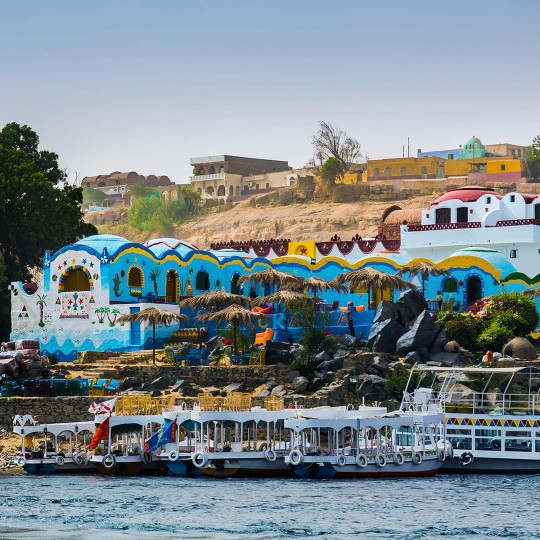
The painted villages of Aswan — who the Nubians are, what to expect on a visit, and how to go respectfully.
A different Egypt
Travellers who spend a day in the Nubian villages often name it as their favourite part of an Egypt trip, ahead of the temples. That surprises people, and it is worth explaining why.
Nubia is not a region of Egypt in the way that Upper Egypt is. It is its own culture with its own languages, its own architecture and its own history, stretching across what is now southern Egypt and northern Sudan. In Aswan you are at its northern edge.
Two things strike visitors immediately. The first is the color — houses painted in deep blues, ochres, greens and pinks, with hand-decorated walls and domed roofs, unlike anything else in the country. The second is how clean the villages are. Visitors arriving from Cairo notice it within minutes and almost always mention it before anything else.
Who the Nubians are
Nubian history in this stretch of the Nile goes back thousands of years, with its own kingdoms, its own writing and, for a period, its own dynasty of pharaohs who ruled Egypt.
Nubians today speak Nubian languages alongside Arabic — the varieties around Aswan differ from those spoken further south. The languages are spoken rather than written in daily life, and younger generations increasingly grow up with Arabic first, which is one reason cultural tourism matters locally.
You will hear a different music, eat different food, and see a domestic architecture built for heat in a completely different way from the concrete of modern Egyptian towns.
What happened when the dam was built
You cannot understand the villages without this.
When the Aswan High Dam was completed in 1970, the reservoir behind it — Lake Nasser — flooded the Nubian homeland along the Nile. Tens of thousands of Nubians were resettled, most of them north towards Kom Ombo, into planned villages far from the river their culture had been built around.
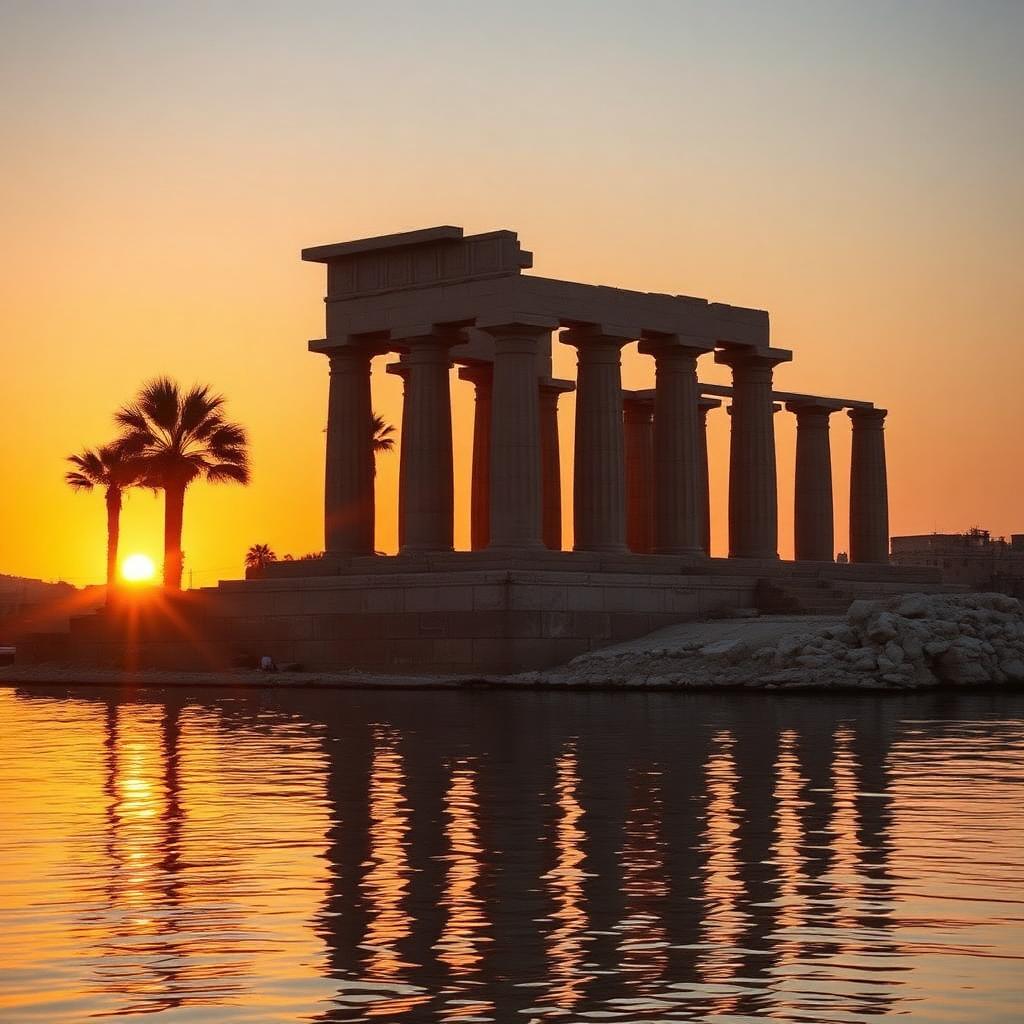
The temples were saved. Philae was moved stone by stone, Abu Simbel was cut apart and reassembled on higher ground, and the world watched. The villages were not moved. They were left under the water.
The communities you visit around Aswan today are partly those who stayed and partly those who returned. When someone in a village talks about "the old country", this is what they mean. It is living memory, not history — the people who were moved are the grandparents of the family serving you tea.
Where the villages are
Most visits go to Gharb Soheil on the west bank, reached by motorboat from the Corniche, and it is where we take our own guests.
Two things make it the better choice. It has an old Nubian market rather than a row of stalls set up for visitors — you are walking through something that was already there. And it is where the houses that keep crocodiles are, which is one of the things Gharb Soheil is known for and worth deciding about in advance.
There are also Nubian villages on Elephantine Island, in the middle of the river opposite the Corniche — Koti and Siou. They are smaller and quieter, with fewer tour groups, and reachable by public ferry. If you have already been to Gharb Soheil, or you want somewhere with less foot traffic, they are the alternative.
The houses and the colour
Nubian houses are built low and thick-walled, with domed or vaulted roofs that pull hot air upward and keep the rooms below cool without electricity. The design is old and it works — the Egyptian architect Hassan Fathy studied Nubian building methods and drew on them in his own work.
The painting is what visitors photograph. Facades and courtyard walls are covered in flat blocks of colour and hand-drawn patterns, with decoration around the doorways. Nubian culture has a deep attachment to colour and to decorative art, and it shows on almost every wall.
Look above the doors. Many houses have a small mummified crocodile mounted over the entrance — placed there to bring good fortune and to guard the household. It is one of the oldest customs still visible in the villages, and it is the reason the crocodile means something here beyond the ones kept in tanks for visitors.
What a visit actually involves
A typical visit runs two to three hours and follows a familiar shape: a boat crossing, a walk through the village, time in a family house with tea or hibiscus, and a chance to buy crafts before heading back.
The tea matters more than it sounds. Being invited into a home is the point of the visit, and hospitality is taken seriously — accepting is the polite thing to do, and it is where the conversation happens.
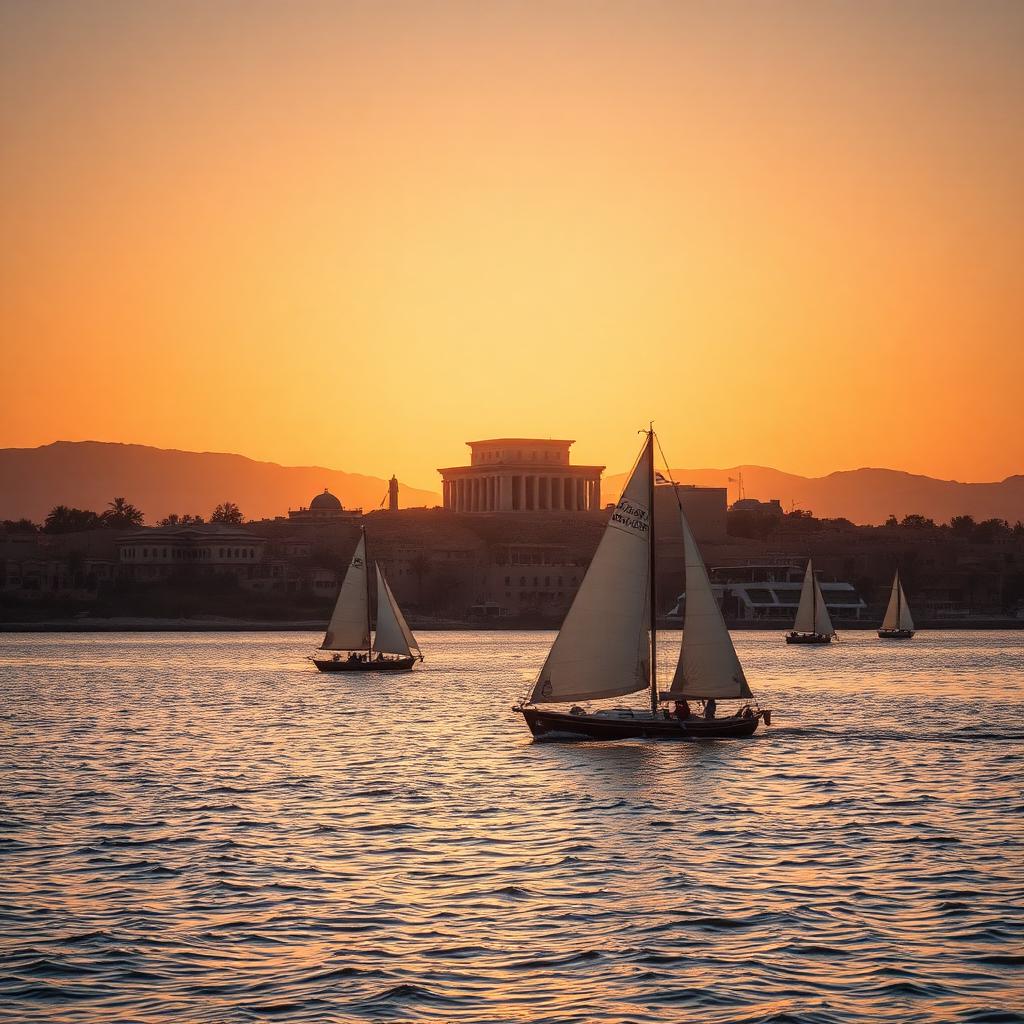
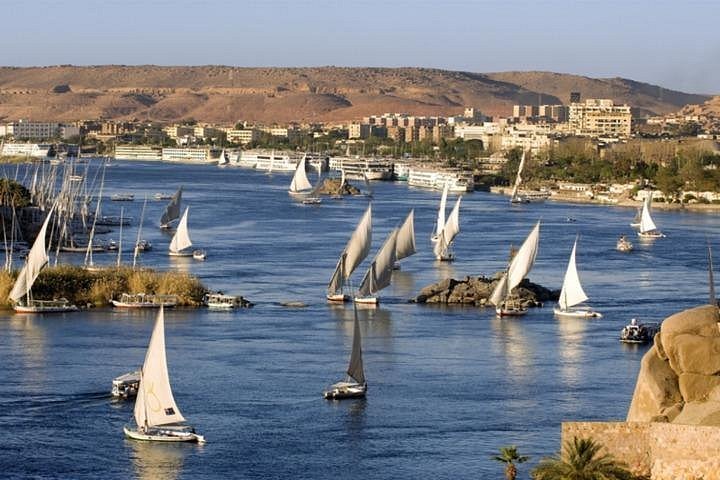
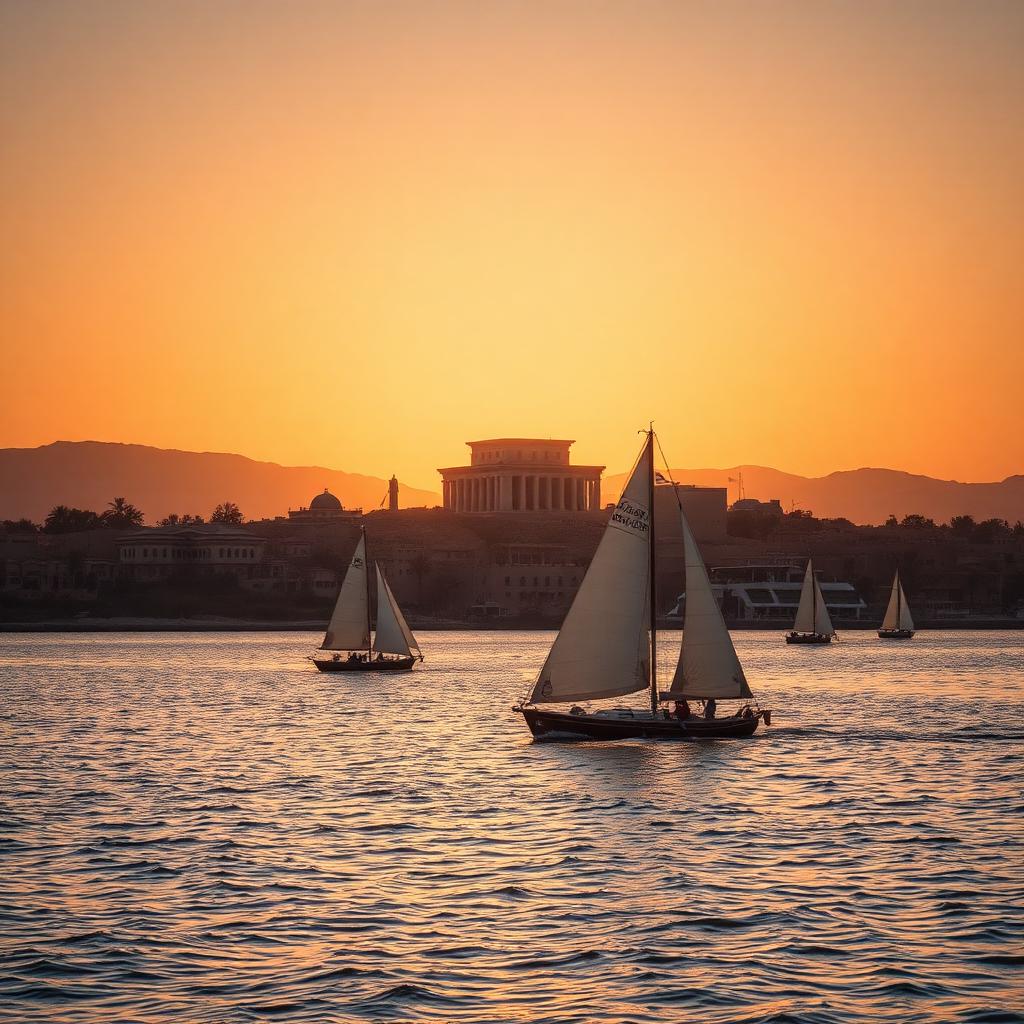
Late afternoon is the best time. The light on the painted walls is at its best, the heat has eased, and you can combine the visit with a felucca sail on the way back.
Going respectfully
These are homes rather than an exhibit, and visits are welcomed — but a few things make the difference between being received and simply walking through.
**Ask before photographing people.** Especially women and children. The houses are fine to photograph; the people living in them deserve to be asked.
**Dress as you would for a temple.** Shoulders and knees covered. It is a conservative community and it costs you nothing.
**Buy something if you can.** The market and the craft sales are a real part of household income here, and the money stays in the village.
**Go with someone the village knows.** The difference between being invited into a home and being walked past one is whether your guide has a relationship there.
In practice these visits go well. Nubian hospitality is genuine and guests almost always leave in a better mood than they arrived.
The crocodiles
Some houses in Gharb Soheil keep live Nile crocodiles, and a visit usually includes one of them.
The owner explains a little about the animals and about why the crocodile matters in Nubian houses at all — the mummified ones above the doorways, kept for luck and protection, long predate any visitor interest. Guests normally take a few photographs before moving on.
It is worth knowing in advance rather than being surprised by it. If it is not something you want to do, say so and we will simply visit a different house — nothing else about the day changes.
Practical notes
Reached by motorboat from the Corniche, or by public ferry to Elephantine Island Allow two to three hours for a village visit Late afternoon is the best light and the most comfortable temperature Bring small notes — change is not always available for craft purchases Agree any boat price before boarding, or book through an operator Shoulders and knees covered, as for temples Ask before photographing people
Frequently Asked Questions
Are the Nubian villages worth visiting?
For many travellers it is the part of an Egypt trip they remember most. It is the one stop that is about living culture rather than ancient monuments, and it gives the rest of Aswan context.
How do I get to the Nubian villages in Aswan?
By motorboat from the Corniche, which takes 20 to 30 minutes depending on the village. Elephantine Island is also reachable by public ferry. Most visitors go as part of a guided half-day that includes a felucca sail.
How long does a visit take?
Two to three hours including the boat crossings, a walk through the village and tea in a family house. Late afternoon is the best time.
Is it respectful to visit?
Yes, when it is done properly. These visits are a real source of income and Nubian families welcome them. Go with a guide who has a relationship with the household, ask before photographing people, dress modestly, and accept the tea.
What language do Nubians speak?
Nubian languages alongside Arabic. They are distinct languages, not dialects of Arabic, and they are spoken rather than commonly written in daily life.
Why were the Nubians displaced?
The Aswan High Dam, completed in 1970, created Lake Nasser and flooded the Nubian homeland along the Nile. Tens of thousands of people were resettled, mainly north towards Kom Ombo. The temples were moved to save them; the villages were not.